
Polypropylene (PP)
Polipropilene (PP)
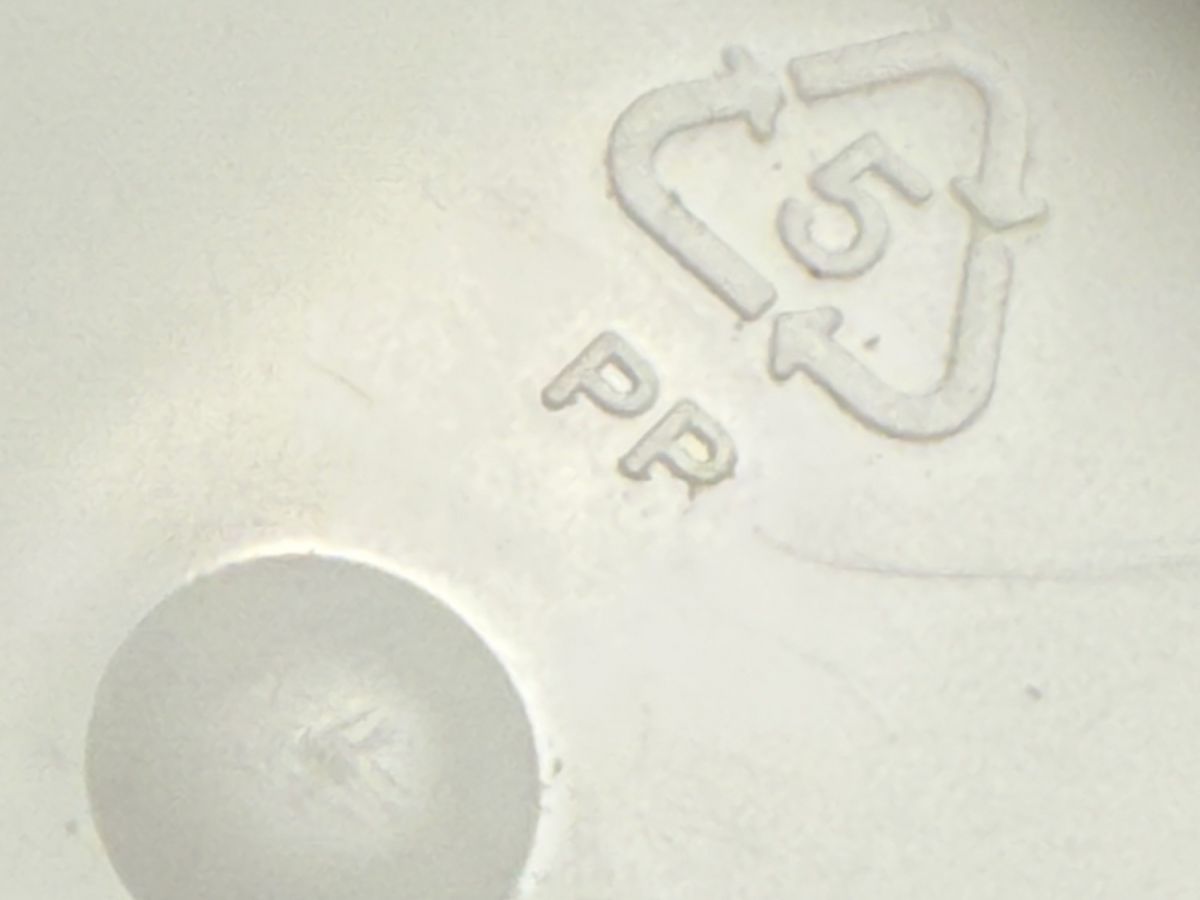
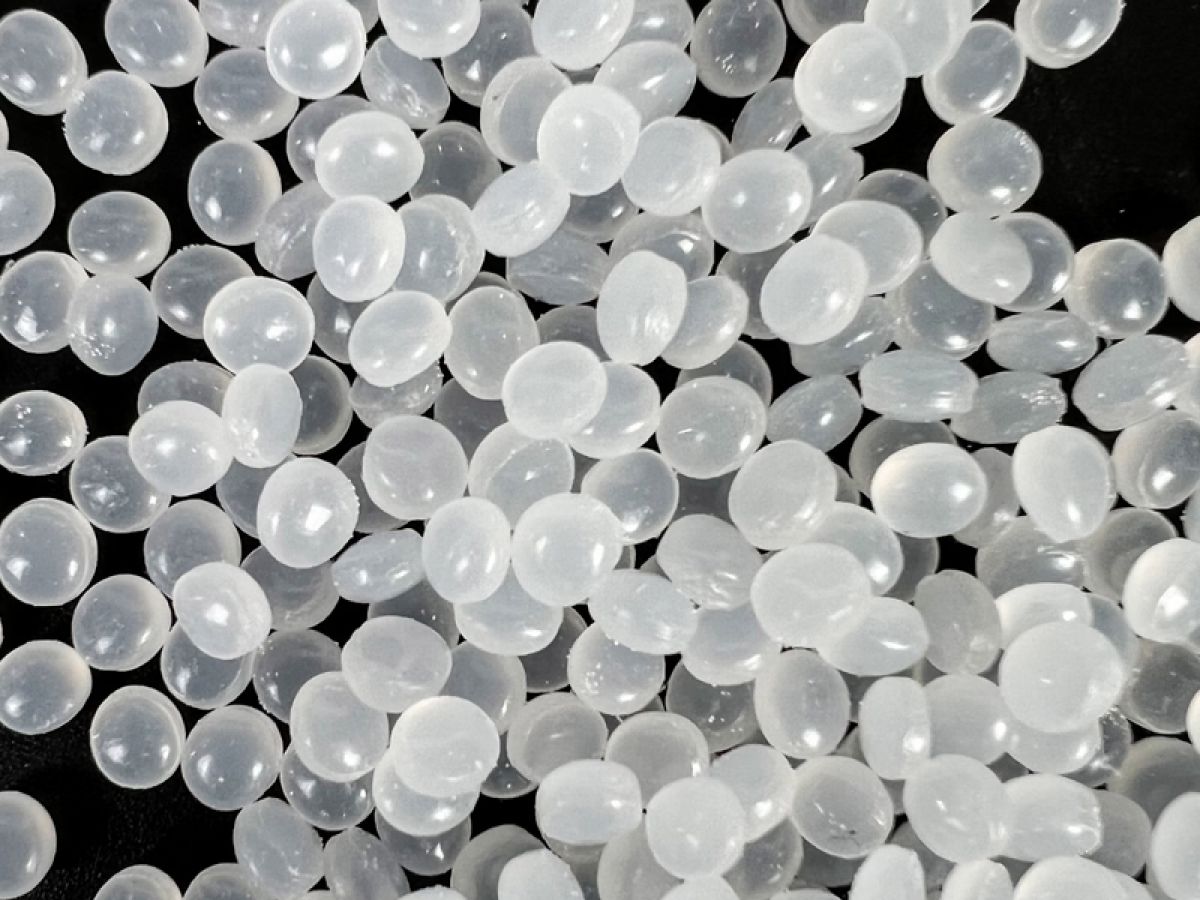
Polypropylene is a semi-crystalline polyolefin derived from the polymerisation of propylene, known for its favourable stiffness-to-weight ratio, heat resistance superior to that of PE (melting point 160-165 °C), chemical stability and versatility in processing. It is available in homopolymer, random copolymer and block copolymer variants, offering different property profiles in terms of stiffness, clarity and impact resistance.
Its ability to form a fatigue-resistant living hinge makes it particularly suitable for flip-top closures.
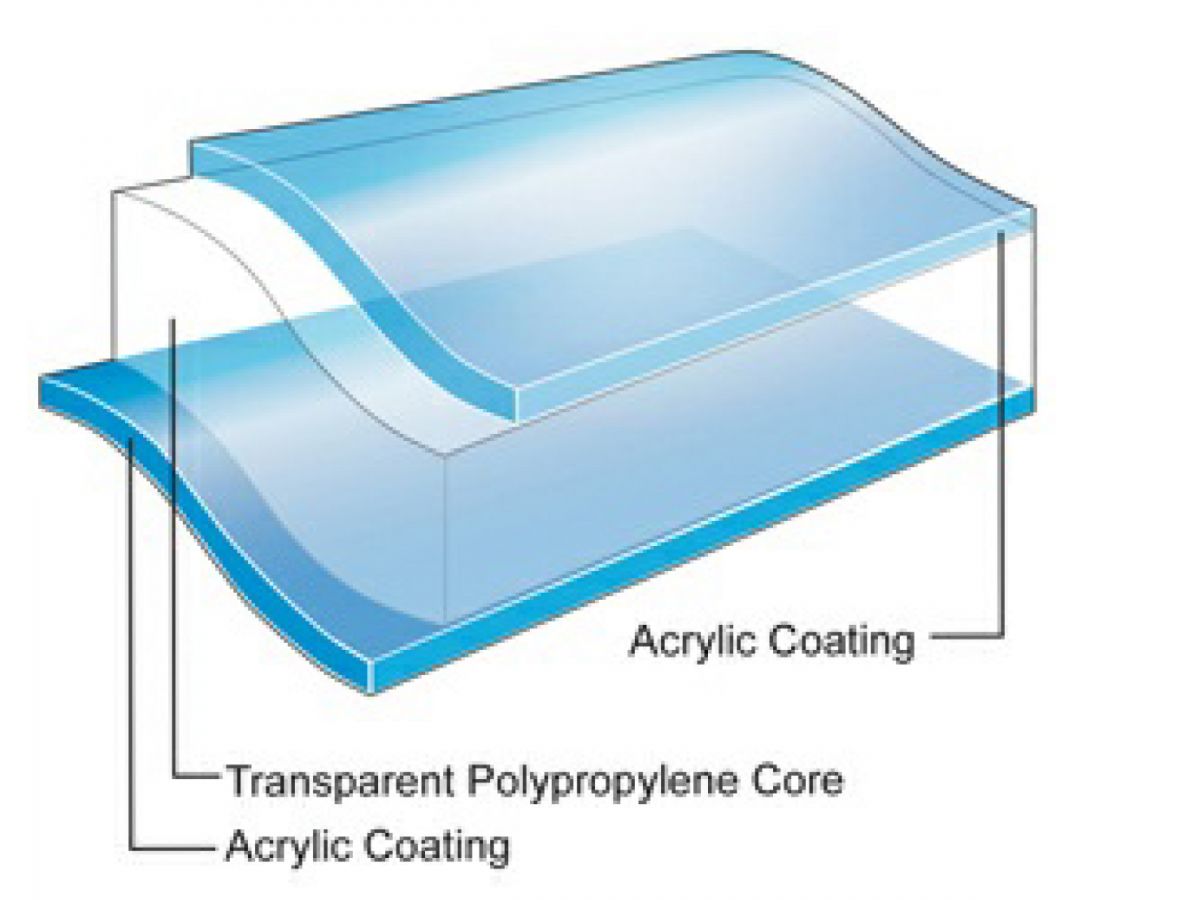
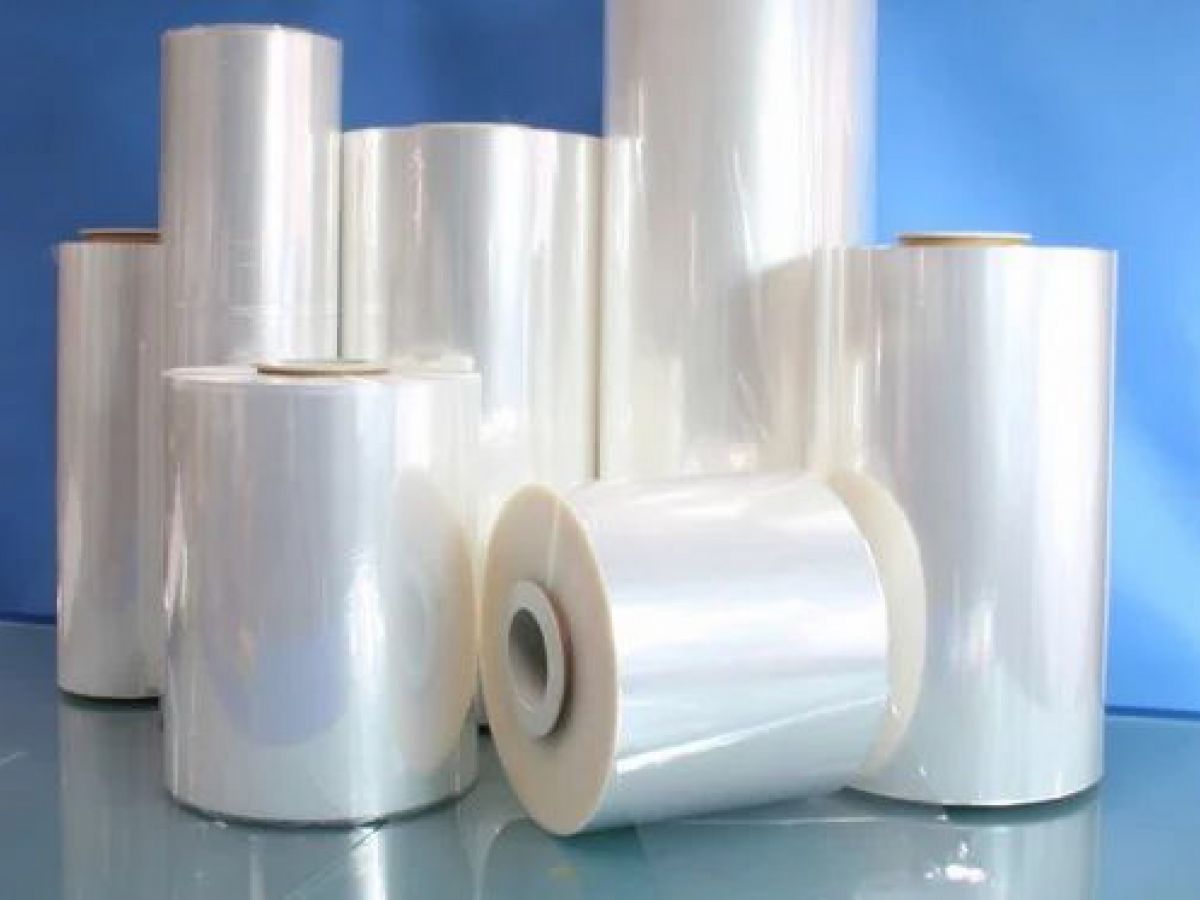
In packaging, PP is employed both in moulding (injection moulding for caps, closures, containers, jars and dispensers; blow moulding and thermoforming for bottles and trays) and as a film: cast and biaxially oriented film (BOPP) for flexible packaging of snack foods, confectionery, tobacco, labels and overwrapping.
PP is suitable for hot-fill applications and resistant to a relatively broad range of chemical agents.
Biaxially oriented grades (BOPP) offer excellent clarity, resistance to greasy substances and superior print characteristics, making them a benchmark substrate in the flexible packaging industry.
Typical thicknesses for packaging films: BOPP film 12-50 µm (standard: 20-30 µm); cast PP film (CPP) 20-80 µm.
Il polipropilene è una poliolefina semicristallina derivata dalla polimerizzazione del propilene, nota per il favorevole rapporto rigidità/peso, la resistenza al calore superiore a quella del PE (punto di fusione 160-165 °C), la stabilità chimica e la versatilità di trasformazione. Si declina in varianti omopolimero, copolimero random e copolimero a blocchi, con profili di proprietà differenti in termini di rigidità, trasparenza e resistenza agli urti.
La capacità di formare una cerniera vivente (living hinge) resistente alla fatica lo rende particolarmente adatto per le chiusure a cerniera.
Nel confezionamento è impiegato sia in stampaggio (iniezione per tappi, chiusure, contenitori, vasetti ed erogatori; soffiaggio e termoformatura per flaconi e vassoi) sia sotto forma di film: film cast e biorientato (BOPP) per packaging flessibile di snack, dolciumi, tabacco, etichette e overwrapping.
È adatto al riempimento a caldo (hot fill) e resistente a una gamma relativamente ampia di agenti chimici.
Le versioni biorientate (BOPP) offrono eccellente trasparenza, resistenza alle sostanze grasse e ottime caratteristiche di stampa.
Spessori tipici per film di confezionamento: film BOPP 12-50 µm (standard: 20-30 µm); film cast (CPP) 20-80 µm.
Morphological Family
Materials Suppliers
—
—