

STATUS
Completed
DATE
2023 / 2024
PROJECT SCALE
REG
FUNDINGS
Contract research agreement
TIPOLOGIA
RESEARCH FACILITIES
DESCRIZIONE
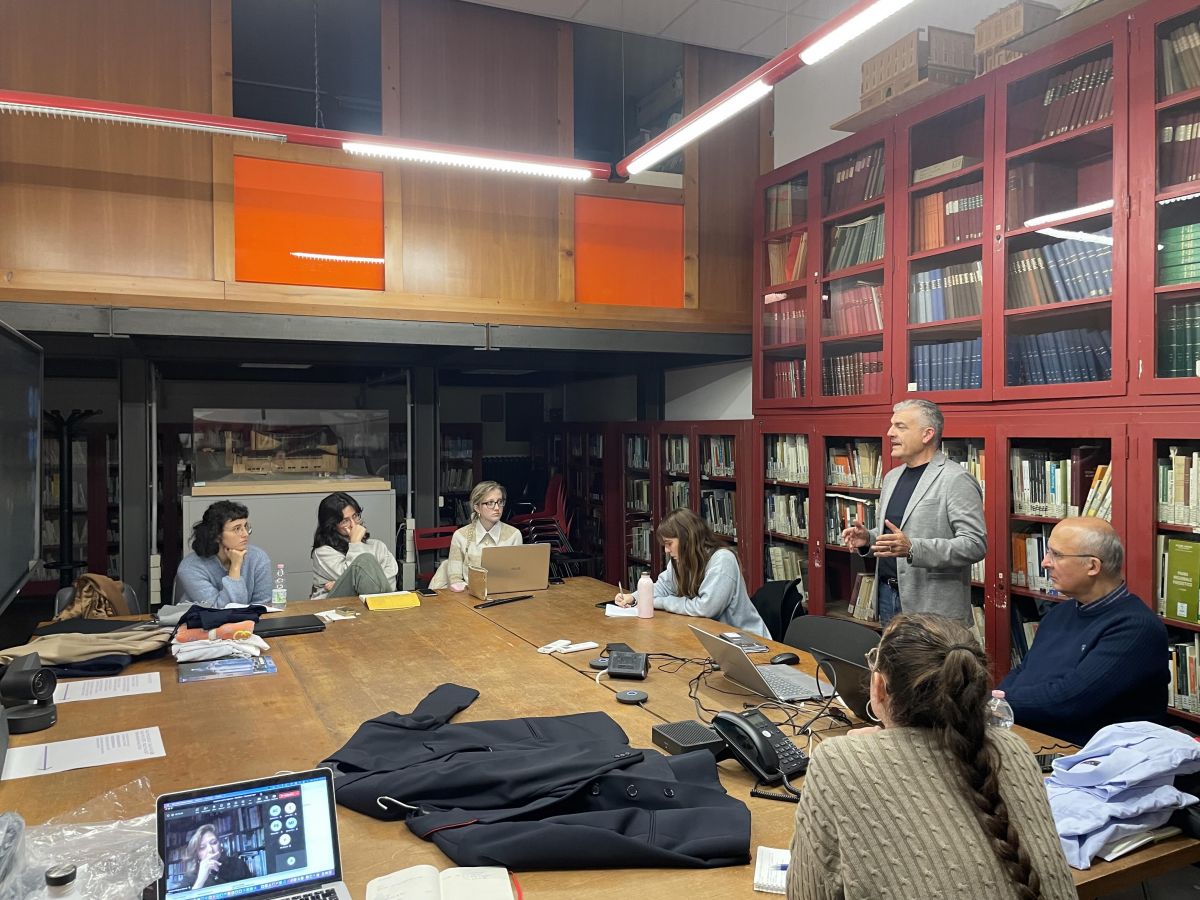
The project was developed within the framework of a third-party research agreement in collaboration with Trenitalia Tper, the regional railway company of Emilia-Romagna. The initiative was coordinated by the Advanced Design Unit of the University of Bologna, with the School of Design of the Politecnico di Milano as a partner. The collaboration brought together faculty members and researchers who supervised multidisciplinary groups of students from product, service and fashion design.
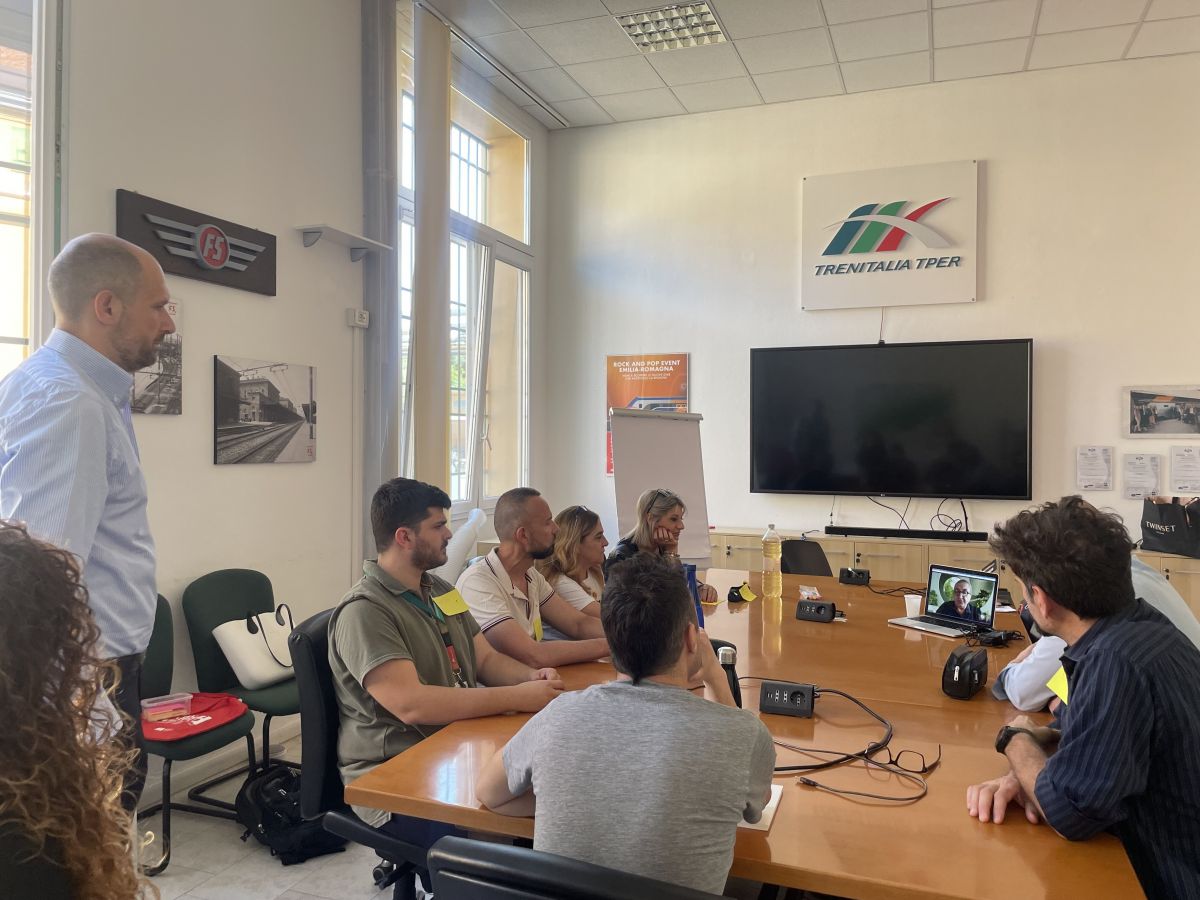
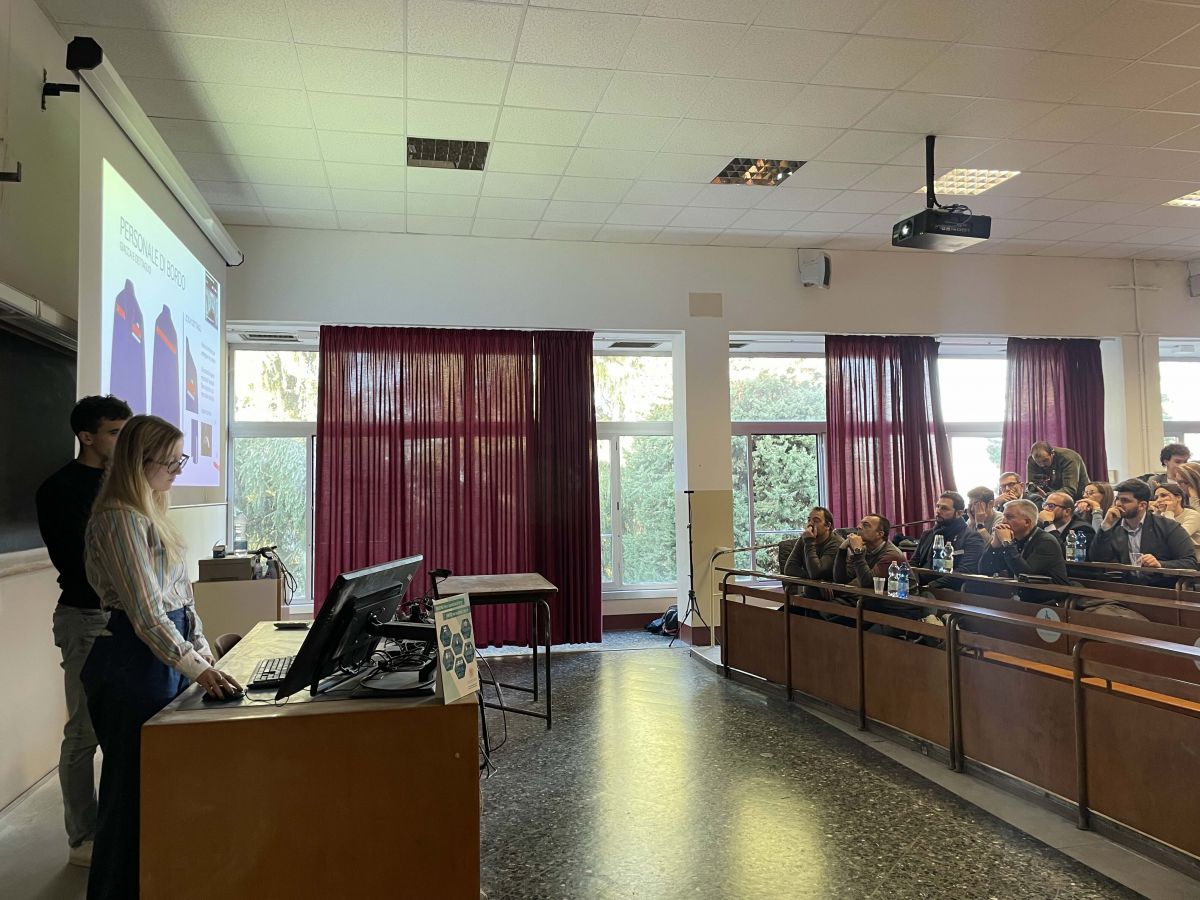
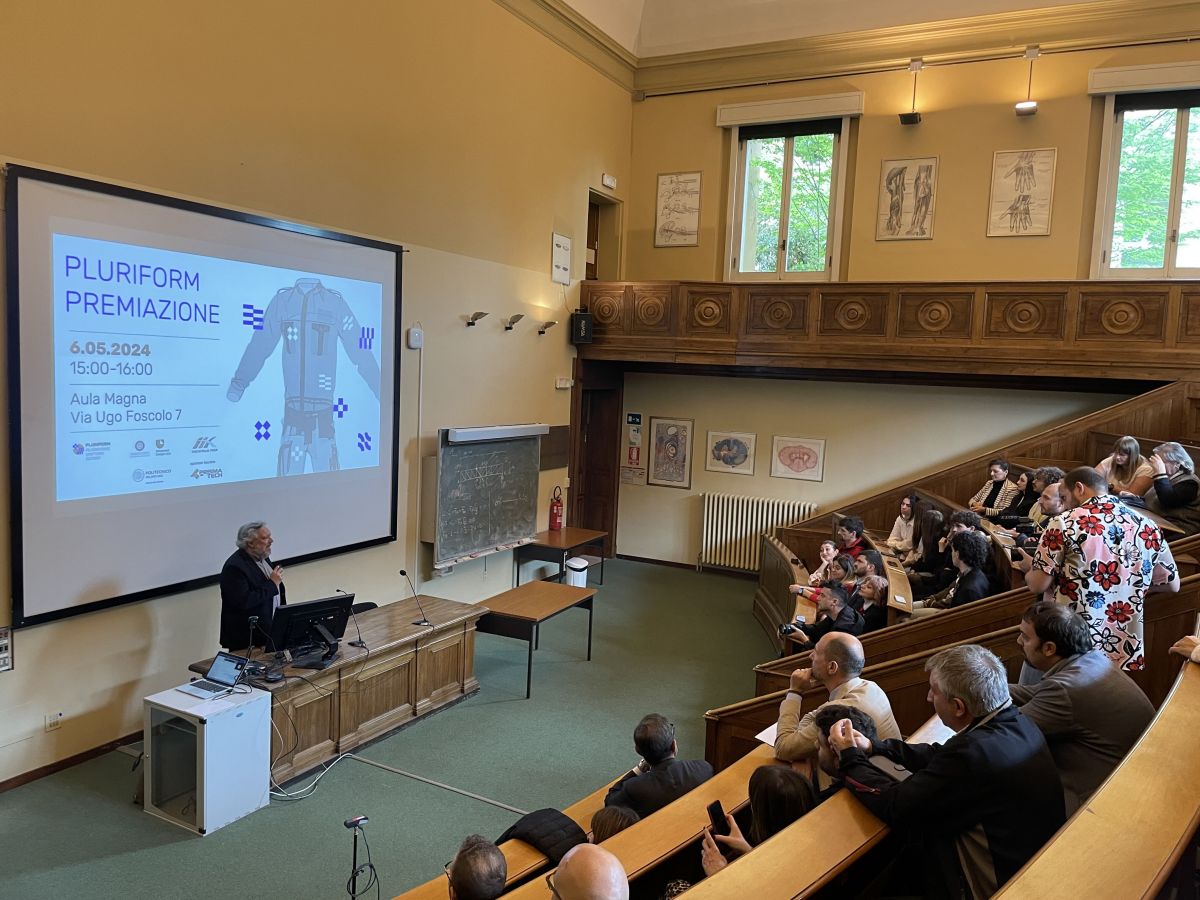
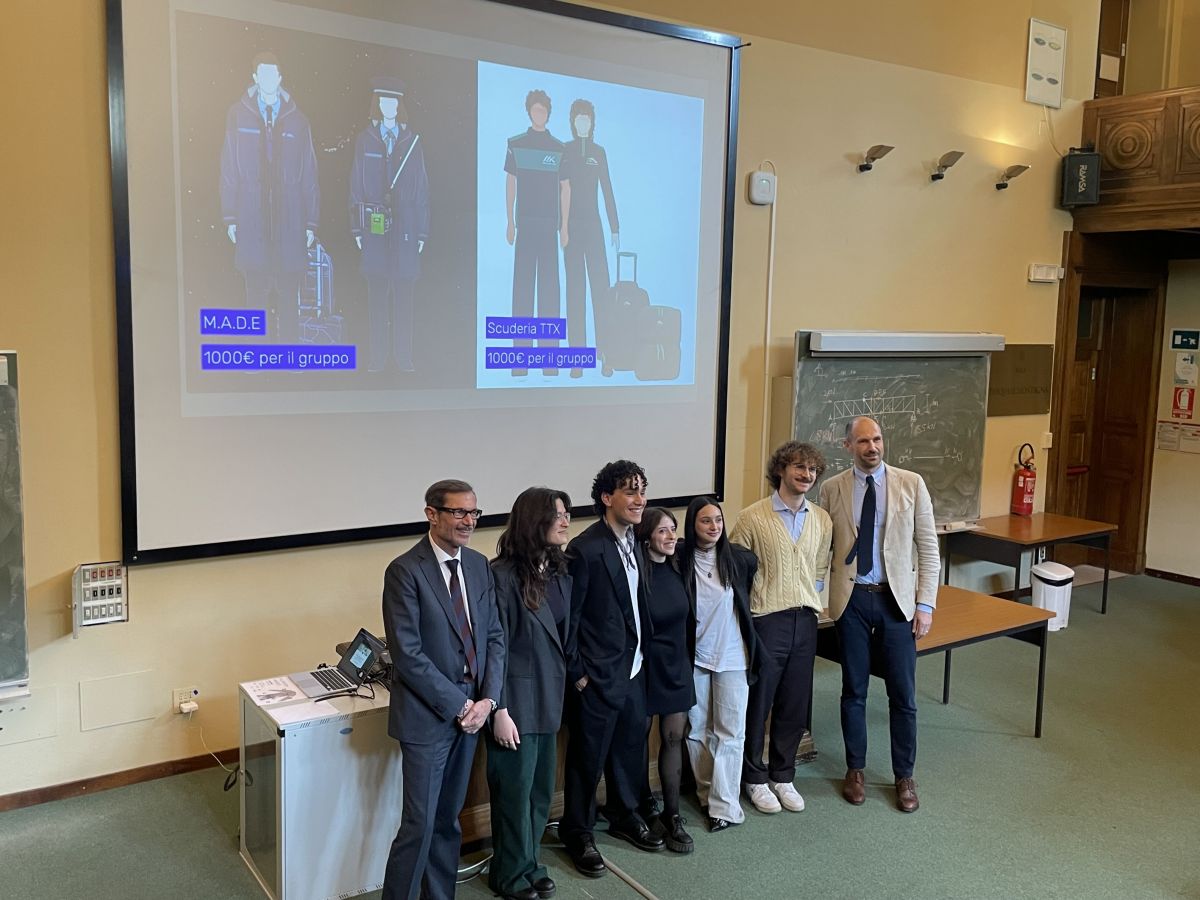
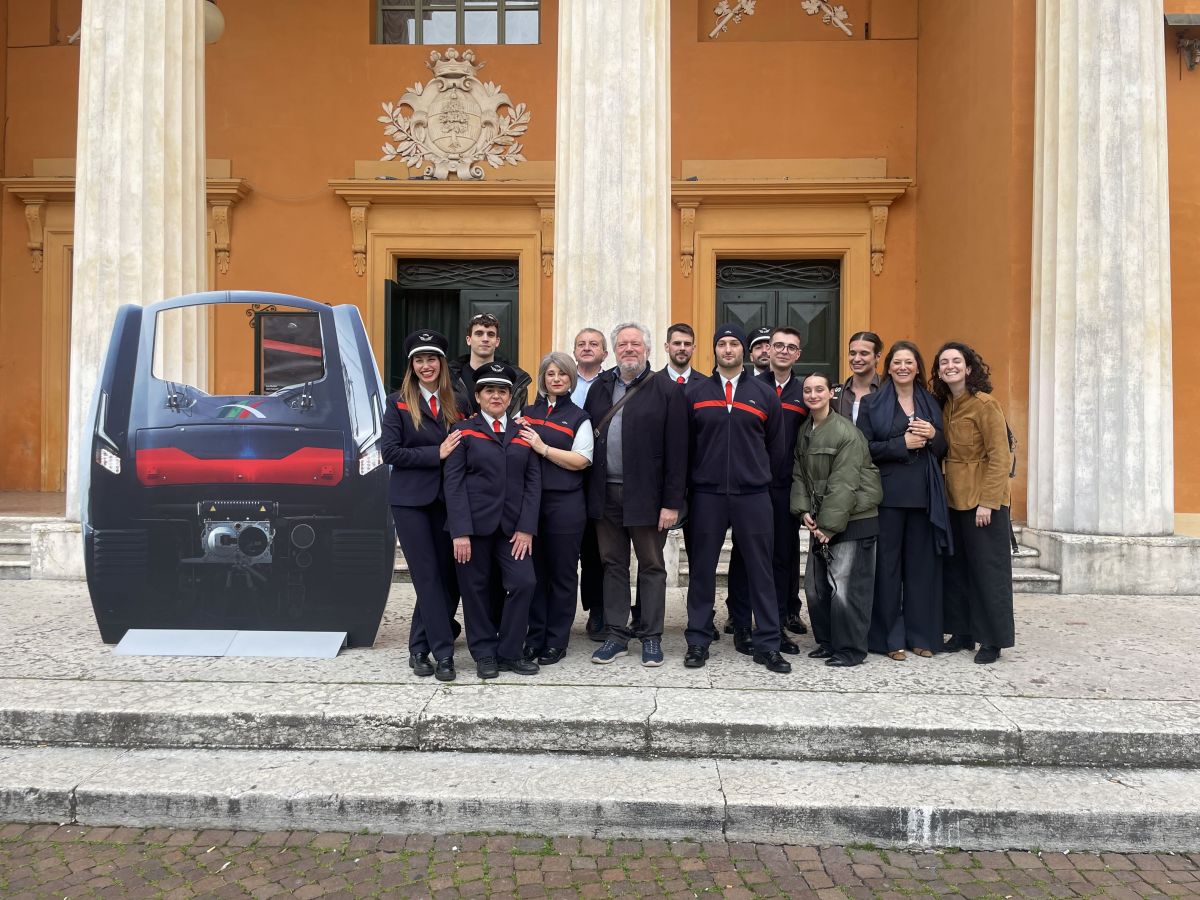
The objective of the project was to design the new uniforms for train drivers, on-board staff, and ground personnel, together with the associated product–service system that includes accessories, backpacks, and related services. The process unfolded across three main phases. The first phase focused on a comprehensive needs analysis conducted by the Advanced Design Unit through co-design sessions and direct engagement with Trenitalia Tper personnel. The second phase centered on design development, structured as a guided contest that involved students from both universities in the creation of uniform collections. The final phase aimed at dissemination and valorization, resulting in the realization of a full prototype collection and a public fashion show in Carpi.
The selected uniforms will be officially adopted by Trenitalia Tper staff.
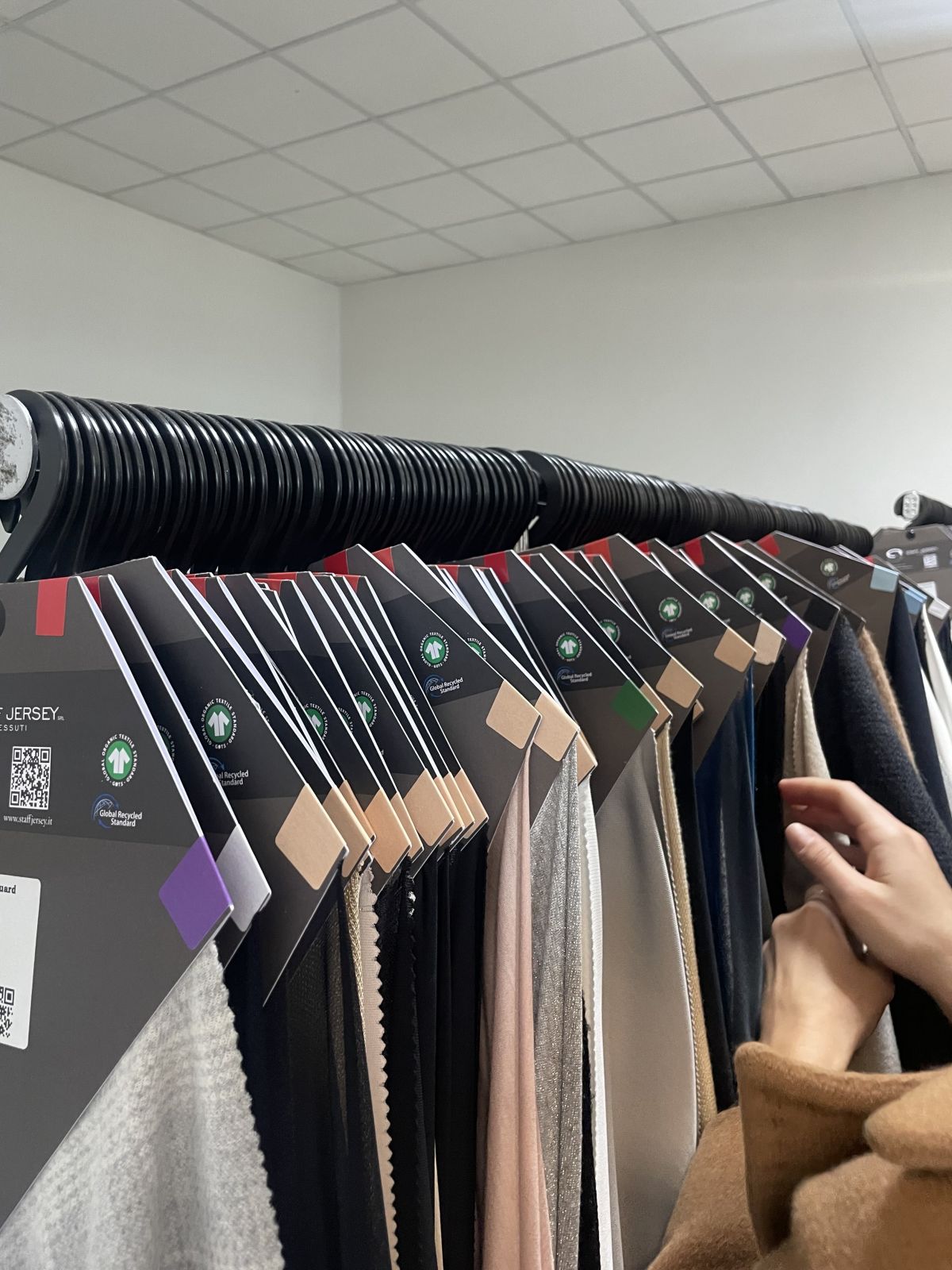
Sustainability played a central role throughout the project. In designing uniforms and accessories, students explored materials and circular processes, supported by companies involved in the initiative. In several cases, they integrated seamless technologies from Staff Jersey to minimize material waste. Digital tools were equally fundamental, serving both as a driver of innovation and as an enabler of sustainability: all collections were first presented through a digital fashion show before moving on to physical prototyping.
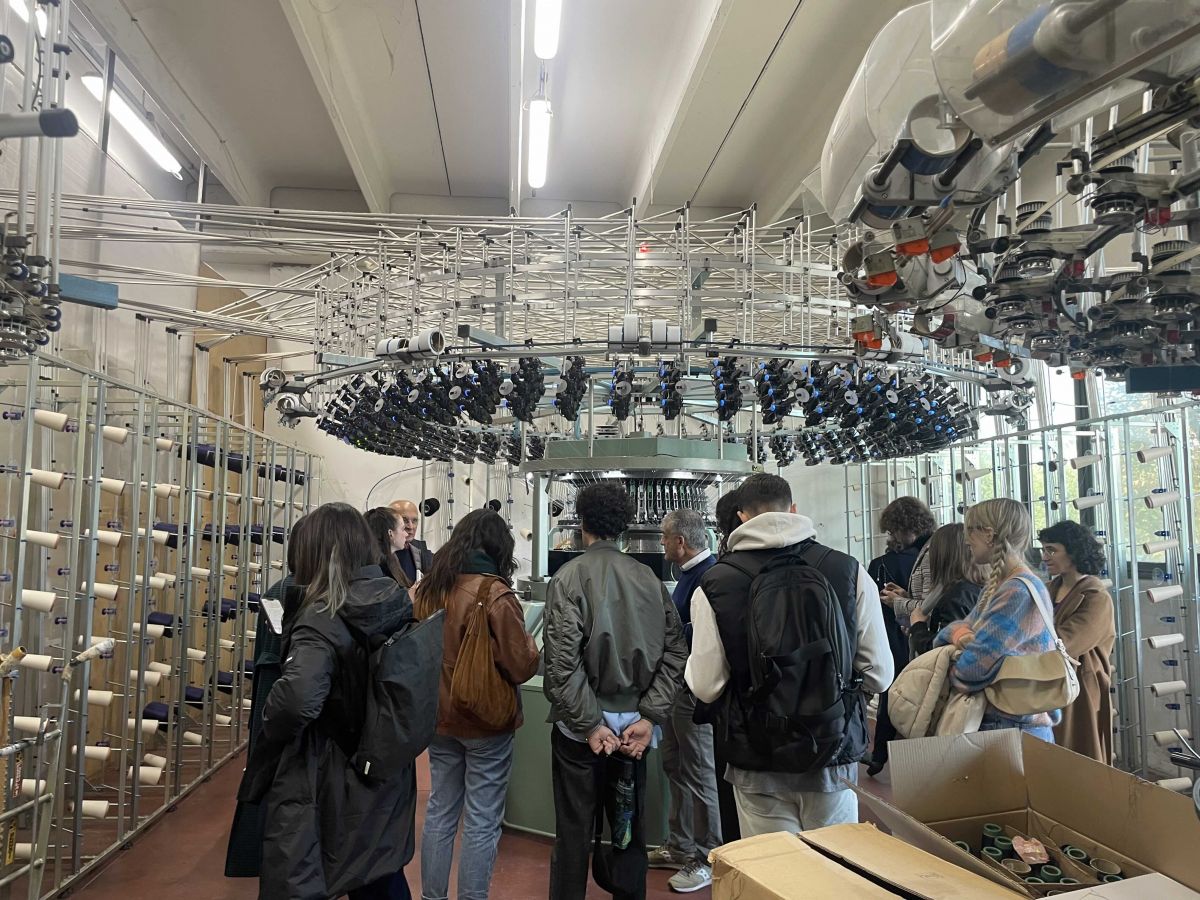
The project was also strengthened by an active and continuous collaboration with local companies. Both during the co-design phase and the production phase, students engaged directly with the regional manufacturing ecosystem. Visits were conducted to four companies in Carpi (specialized in embroidery, screen printing, knitwear, and quality control) and were accompanied by lectures on production processes and their environmental and social impacts. This close interaction with industry ultimately culminated in the creation of the final prototype collection.
IMPATTI E RISULTATI
The Pluriform project generated a wide range of outcomes that extend beyond the design of new uniforms for Trenitalia Tper. Its multidisciplinary and multi-stakeholder structure produced meaningful effects on students, institutions, and industry partners, while also generating tangible outputs and new knowledge for future research. The impacts and results can be framed across four main dimensions: educational, social and collaborative, institutional, and project-specific.
Educational Impacts
The project generated significant educational value for students across fashion, product, and service design. Working together on a real industrial brief allowed them to fully understand how uniforms operate as hybrid artefacts, simultaneously products, fashion items, and touchpoints within a broader service system. Throughout the process, students developed a wide range of practical skills, from anthropometry and applied ergonomics to circular textile strategies, service design, and 3D garment visualization. These competencies were reinforced through structured training moments such as the “Design Pills,” which provided focused insights on key design themes.
By engaging directly with real operational constraints (such as climatic conditions, safety requirements, identity elements, and the functional needs of diverse categories of railway staff) students learned to design within the complexity of a real-world context. Equally important, the project strengthened their abilities in co-design and collective intelligence, fostering the capacity to collaborate across disciplines, negotiate design decisions, and work effectively with end-users and experts throughout the process.
Social and Collaborative Impacts
The project activated a rich and multilayered ecosystem of collaboration that connected institutions, companies, and individuals at different levels of expertise. Trenitalia Tper employees played a central role, taking part in focus groups and co-design workshops that helped define needs and expectations while building a sense of shared ownership. Continuous interaction between students, researchers, industry professionals, and the client sustained alignment and collective understanding across all stages of the project.
Collaboration extended to the Carpi district, where local fashion companies contributed industrial know-how, materials knowledge, and technical support. This involvement strengthened the bridge between education and industry while offering students hands-on exposure to production processes. The creation of mixed and intergenerational multidisciplinary teams further enriched the experience by enabling diverse forms of knowledge exchange and strengthening collective problem-solving capabilities.
Institutional Impacts
On an institutional level, the project validated a replicable model of academia–industry collaboration, demonstrating how universities can effectively act as mediators in open innovation processes. The Advanced Design Unit strengthened its methodological framework by integrating meta-design, co-design, training activities, and industrial collaboration into a single coherent process.
The project also resulted in the formalization of a structured multi-phase workflow—Meta-project, Proposal Development, Exploitation and Valorisation. This structured approach demonstrates clear potential for scalability.
Tangible Results
The initiative produced a substantial set of concrete outputs, both conceptual and material.
- Metaproject Outputs. A detailed Metaproject Document captured user needs, systemic maps, uniform catalogues, and inspirational case studies, establishing a shared foundation for the design work. This phase also resulted in a validated design brief that reflected the insights of both employees and company leadership, as well as a renewed internal awareness within Trenitalia Tper about the identity and cultural significance of uniforms.
- Four Complete Uniform Collections. The design phase generated four fully developed uniform collections comprising detailed garments (both sketched and digitally modeled), accessories and luggage systems, service design proposals for procurement and maintenance, and visual and communication elements supporting the overall concept.
- Knowledge Production. Beyond the design outcomes, the project produced methodological and scientific contributions. It generated a tested and publishable co-design model for industrial contexts, offered new academic insights into collective intelligence and open innovation, and produced diagrams, visual materials, and process documentation that will serve future research and teaching activities.
+ LINKS & DOWNLOAD
PUBBLICAZIONI
Rosato, L., Calleo, A., Colitti, S., Dall’Osso, G., & De Matteo, V. (2024). Uniform design innovation: Bridging academia and industry through multidisciplinary collaboration. Fashion Highlight, (3), 56–67. https://doi.org/10.36253/fh-2717
PARTNERS
